

Emphasizing preventive care and overall wellness
Online Family Nurse Practitioner (FNP) Program
Prepare to advance as a practitioner and grow as a nurse leader with Simmons University’s Online Master of Science in Nursing — Family Nurse Practitioner (MSN-FNP) program.
Earn Your MSN Online and Become an FNP
Drawing on more than a century of nursing education and leadership, Simmons University’s Online MSN-FNP program prepares passionate registered nurses (RNs) who have a BSN to become advanced practice registered nurses (APRNs) and pursue board certification as an FNP.
47
total credits
Min. 756 hours
of clinical rotations
24–32
months to complete, depending on your chosen track
The baccalaureate degree program in nursing, master’s degree program in nursing, Doctor of Nursing Practice, and the post-graduate FNP and PMHNP certificate programs at Simmons University are accredited by the Commission on Collegiate Nursing Education, 655 K Street, NW, Suite 750, Washington, DC 20001, 202-887-6791 (http://www.ccneaccreditation.org). The Simmons University Nursing Program is fully approved by the Massachusetts Board of Registration in Nursing.
What Does an FNP Do?
An FNP is an APRN specializing in primary care for patients of all ages and health conditions. FNPs provide comprehensive, holistic care within the context of family and community, serving as a first point of contact and ongoing provider across the patient lifespan.
Key characteristics of the role include:
Initiating and managing treatment plans
Providing diagnoses and prescribing medications
Improving the lives of patients and families through health promotion
Which Online MSN-FNP Track Is Right for You?
Open to licensed RNs with a bachelor’s degree, Simmons University’s Online MSN-FNP program is fully CCNE-accredited and approved by the Massachusetts Board of Registration in Nursing.
Designed for working nurses, the program offers full- and part-time tracks and ongoing support from faculty and staff — empowering students to earn their MSN while continuing to care for patients in their communities.
| Academic Track | Term Duration | Core Features | January 2027 Cohort Deadline |
|---|---|---|---|
Full Time | 24 months (6 terms) | Standardized weekly class schedules; flexible recorded lecture viewing; clinical placement assistance | Final application deadline: November 12, 2026 |
Part Time | 32 months (8 terms) | Built for working RNs; standardized weekly class schedules; flexible recorded lecture viewing; clinical placement assistance | Final application deadline: November 12, 2026 |
Ready to take the next step?
What Does the Online MSN-FNP Curriculum Cover?
Simmons’ academically rigorous curriculum is designed to build evidence-based nurse practitioner skills alongside a strong foundation in research, allowing you to apply your learning directly to your current role. Coursework emphasizes health promotion and overall well-being, as well as the assessment, prevention, and management of chronic illness.
Foundational courses
Using case-study analysis as a core learning tool throughout the program, students in the Online MSN-FNP program graduate with a thorough understanding of primary care issues across the patient lifespan.
Foundational coursework focuses on:
Pharmacology
Pathophysiology
Physical assessment
Through this coursework, students learn how to make informed prescribing decisions and demonstrate clinical skills through live physical assessments.
Research project
In addition to building foundational clinical knowledge, you will complete a scholarly research project designed to strengthen your qualitative and quantitative research skills. This component helps students:
- Develop critical thinking abilities
- Learn how to evaluate qualitative and quantitative interdisciplinary studies
- Better address patient questions through evidence-based practice
Students may choose from several project options, including:
- A quality improvement proposal
- A critique of existing medical literature
- Your own research (pending approval by the Simmons Institutional Review Board (IRB))
Through close collaboration with Simmons faculty and classmates, the research project also provides valuable networking opportunities, underscoring the program’s continued emphasis on mentorship and peer engagement.
Clinical Placements
Simmons’ dedicated clinical placement team will help you secure a placement in or near your community, where you will receive supervision from professionals. Students complete a minimum of 756 hours of direct-to-patient care throughout the program.
During clinical rotations, you will apply the skills developed in foundational and research coursework while providing acute and chronic care to diverse patient populations.
In addition to performing comprehensive head-to-toe physical examinations, you will:
- Expand your pharmacological knowledge
- Advance your knowledge of prescribing medications
- Enhance your clinical communication skills
- Develop proficiency in diagnosing acute and chronic conditions
- Create evidence-based care plans and follow-up strategies
- Integrate and synthesize medication therapies across treatment plans
In-Person Immersion
Experience the Simmons community at an intensive two- to four-day immersive weekend on our Boston campus. This opportunity allows students to connect directly with their peers, learn from expert faculty, and engage with the vibrant culture of the university firsthand.
Connect with a dedicated enrollment specialist to learn more about clinical placement support.
How Does Admission to the Online Program Work?
We offer three start dates per year (January, May, and September), and admission decisions are made on a rolling basis. To apply, you must be a U.S. citizen or permanent resident, hold an active registered nurse license, and have earned a Bachelor of Science in Nursing (BSN) or a bachelor’s degree in nursing.
For more information about specific start dates and admission requirements, visit our FNP Admission page.
For more information about our application requirements, fees, and eligibility criteria, visit our Application Requirements page.
Tuition
The cost of tuition for the online MSN-FNP program for the 2026–2027 academic year includes assessments, technology platform licensing, and support:
| Program | Credit | Cost per credit | Total |
|---|---|---|---|
Master of Science in Nursing (MSN-FNP) | 47 | $1,288 | $60,536 |
Scholarships
Once you begin your application, you’ll work with a dedicated enrollment specialist who can guide you through the admission process and help you explore scholarship opportunities available for admitted students in upcoming cohorts. Scholarship availability and award amounts vary by term based on funding and eligibility requirements.
You may also want to consider applying for external scholarships to help fund your education, which may be available through your employer, community organizations, or civic groups.
Visit our Tuition & Financial Aid page to learn more about scholarships, payment plans, and financial aid opportunities.
The final deadline for the January 2027 cohort is November 12, 2026.
Who Will You Learn From?
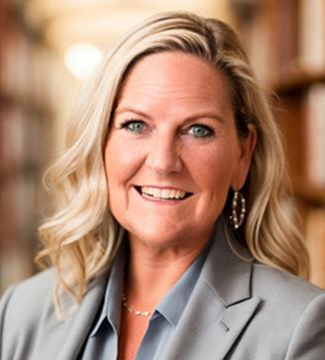
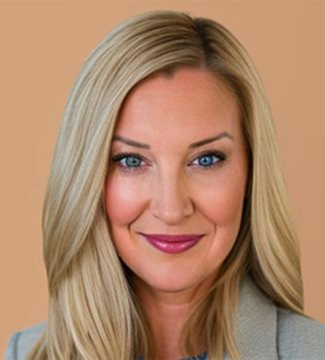
The distinguished educators who will serve as your teachers and mentors throughout the program are experienced practitioners, researchers, and authors who bring extensive hands-on nursing expertise to their scholarship and teaching, and take immense pride in their work.
Visit our detailed faculty profile pages below to learn more about the faculty who’ll serve as your mentors throughout the program.
Faculty Spotlights

How to Pursue Licensure
The Online MSN-FNP program leads to an FNP-focused MSN degree. This degree, accredited by the CCNE, enables graduates to pursue national certification and then licensure in the state where they wish to practice. Note that licensure is not granted through the program itself.
There are two certifying bodies for FNPs, both of which require that applicants hold an RN license, have earned an FNP-focused graduate degree, and have completed at least 500 hours of faculty-supervised clinical practice:
- American Nurses Credentialing Center (ANCC)
- American Academy of Nurse Practitioners (AANP)
Note that different states may recognize one certification or the other, so it is important to know which is required for licensure in your state. Both the ANCC and AANP also require recertification every five years.
93%
Simmons graduate pass rate for AANP certification exam.1
94%
Simmons graduate pass rate for FNP, ANCC certification exam.2
*All data above refers to first-time test takers only. FNP statistics represent both on-campus and online students.
To learn more about FNP certification and licensure, visit our What Is A Family Nurse Practitioner (FNP)? page.
Ready to start your journey toward licensure?
What Could Your Career as an FNP Look Like?
Given their advanced education, FNPs are uniquely qualified to pursue a variety of nursing careers, with responsibilities that often vary based on their work environment and location.
The scope of practice for FNPs also differs across the United States, as licensing and regulations vary by state. In some states, FNPs assume expanded responsibilities to help meet community needs, particularly in areas with limited access to preventive care.
FNPs work in settings that include:
- Private practices
- Hospitals
- K–12 schools, colleges, and universities
- Community clinics
- Patient homes
- Government health departments
Beyond primary care practice, FNPs may also specialize within their clinical roles or healthcare settings. With advanced education, training, and community-focused expertise, FNPs could move into administrative positions in hospitals and clinics and contribute to healthcare policy and decision-making within their communities.
Demand for FNPs
By becoming an FNP, nurses are entering an occupation that the U.S. Bureau of Labor Statistics (BLS) has projected to grow 40% between 2024 and 2034.3 Nurses can also gain a sense of accomplishment and satisfaction by expanding their scope of practice in a role that is consistently ranked as the best job in healthcare.4
Salary outcomes for FNPs
According to the BLS, the mean annual wage for a nurse practitioner is $137,300 (as of 2025).5
That said, the industry and geographic location in which you work could affect this number.
Industries
According to the BLS, the industries with the highest employment for nurse practitioners are:6
- Offices of physicians
- General medical and surgical hospitals
- Outpatient care centers
- Offices of other health practitioners
- Home health care services
Supportive Nursing Education, Designed to Fit Students’ Lives
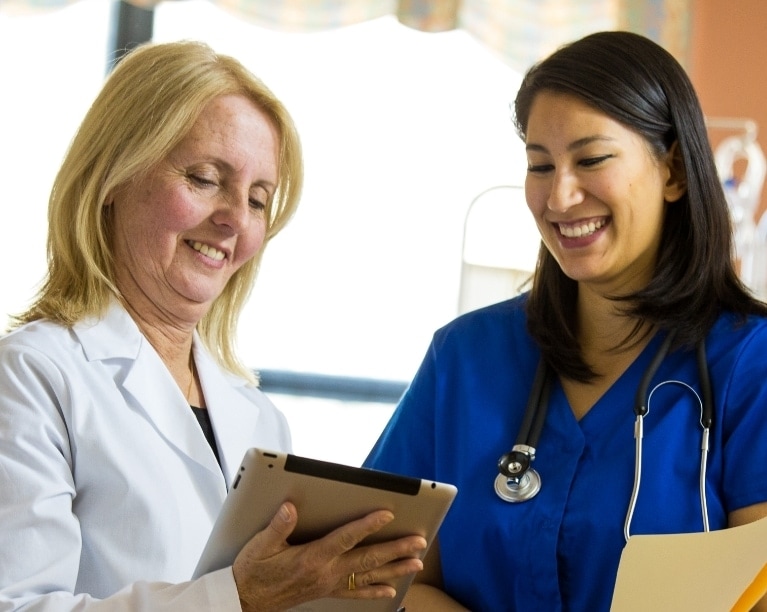
The Simmons Online FNP program is designed to help nurses earn their MSN while continuing to provide care in their communities. To help working nurses successfully complete their degrees, the program incorporates a number of features that were implemented based on student feedback:

Predictable, standardized course schedules
Live courses are held on the same designated days of the week throughout the program for predictable scheduling that allows students to plan around work and life.

Clinical placement team
Students partner with a dedicated clinical placement specialist to find clinical sites and preceptors for rotations in or near their communities.

Course delivery that prioritizes RN lifestyles and learning outcomes
Courses are designed to help students learn in the way best for them and are structured with our students’ busy schedules in mind. Many courses offer flexible attendance so students can choose to attend the live lecture or view the recording at a time more convenient for them.

Continuous support and coaching
In addition to our knowledgeable and accessible faculty, students have a dedicated academic advisor and student success specialist for help and guidance outside the classroom.

“In clinicals, multiple preceptors have commented that I am well prepared and far ahead of students from other universities.”
Ready to Take the Next Step?
Simmons University’s Online MSN-FNP prepares aspiring advanced practice nurses to deliver compassionate, evidence-based care to patients across the lifespan. Through rigorous coursework, hands-on clinical training, and dedicated faculty support, you’ll build the skills needed to pursue licensure and make a meaningful impact in the communities you serve. Learn more today.
FAQs About Simmons University’s Online FNP Program
-
FNP stands for Family Nurse Practitioner. It is an advanced practice nursing credential that allows you to provide primary care to patients across their lifespan: from prenatal care and pediatrics through adulthood and geriatrics.
-
Neither is “better”; it’s about the breadth of your practice. “NP” is the general umbrella term for all Nurse Practitioners, while “FNP” is a specific certification. If you want the flexibility to treat anyone in a family unit, the FNP is the most versatile choice. However, if you know you want to specialize exclusively in areas like acute care or psychiatry, a more niche NP track may be a better fit.
Visit the Online Psychiatric Mental Health Nurse Practitioner (PMHNP) Program page to learn more about this program option.
-
FNPs and PAs are essentially clinical peers, but they operate under different training models. PAs follow a “medical model” similar to physicians and traditionally work under a doctor’s supervision. FNPs follow a “nursing model” that is often more holistic and, depending on the state, allows for “Full Practice Authority” to run a clinic independently without physician oversight.
-
Yes. While the “Family” in FNP often implies a primary care clinic setting, it is very common to find FNPs working in hospital systems, particularly in urgent care, outpatient departments, or subspecialty clinics.
-
The main differences come down to where you work and who you treat. Family Nurse Practitioners (FNPs) are primary care experts trained to work with patients of all ages — from infants to seniors — typically in an outpatient clinic or doctor’s office. Adult-Gerontology Acute Care Nurse Practitioners (AGACNPs) focus exclusively on adults and the elderly who are critically ill or have chronic conditions, usually in high-intensity hospital settings such as the Intensive Care Unit (ICU) or Emergency Room (ER).
-
One denotes a clinical practice speciality; the other is an academic degree level. “FNP” is your clinical role — you can be an FNP with either a Master’s (MSN) or a Doctorate. The “DNP” (Doctor of Nursing Practice) is the highest academic degree in nursing, focusing on leadership, policy, and systems-level change.
-
No. While you can complete all your academic coursework online through Simmons, nursing is fundamentally a hands-on profession. You will still need to complete 756 hours of in-person clinical rotations in your local community and travel to the Boston campus once for an intensive immersion weekend to test your skills in person.
-
You are required to travel to Boston once for a two- to four-day, intensive immersion weekend. This happens before you start your clinical rotations and is where you’ll be tested on your physical assessment and suturing skills. Most students find this to be a highlight of the program, as it’s the only time you’ll meet your digital classmates in the “real world.”
-
Simmons’ online learning platform prioritizes connection, flexibility, and academic rigor, which feels like a “live” version of nursing school rather than a series of recorded lectures. Meeting with your professor and peers via video every week helps maintain a high level of accountability and engagement. This high-touch model is a big reason why Simmons graduates consistently see board pass rates around 95%.
-
Most students identify Advanced Pathophysiology as the most rigorous course because it requires a massive mental shift from bedside nursing to clinical diagnosis. Beyond the classroom, the Clinical Practicum is often considered the most rewarding and transformative phase of the program, as it requires a focused commitment to successfully integrate advanced patient care with final academic coursework.
-
Simmons University’s collaborative approach to clinical placements for their FNP program means it does not take full, independent responsibility for finding preceptors, but the university does not leave you entirely on your own.
You are paired with a Clinical Placement Specialist who helps identify and vet sites within roughly 100 miles of your home. You’ll be active in the process of suggesting local sites you’re interested in, while the university handles the legal contracts and ensures the site can handle the 756-hour clinical requirement.
-
If a local site cannot be secured in time, you may have to delay your clinical rotation, which can push back your graduation date. To avoid this, students often network with local professionals or take the initiative to identify potential preceptors early in the program.
-
In some cases, yes, but there are strict boundaries. To ensure you are truly learning to be a provider rather than just a nurse, the school usually requires that your clinical hours be completed in a different department and under a different supervisor than your regular job.
-
Yes. To apply to Simmons University’s Online Master of Science in Nursing FNP program, you do need a Bachelor of Science in Nursing (BSN) or bachelor’s degree with a major in Nursing from a regionally accredited U.S. college or university.
However, Simmons University also offers a Direct Entry path, open to those who hold a non-nursing BS or BA degree from an accredited university. The Direct Entry path allows career changers a direct academic pathway to advanced practice nursing.
-
Simmons does not require the GRE for admission. We place a higher value on your real-world clinical experience as an RN and your academic history (a 3.0 GPA is preferred) than on a standardized test score.
-
Simmons University maintains a consistent academic standard across all learning formats. Our Online FNP track is designed to meet the rigorous requirements of our curriculum and align with the high clinical standards of advanced nursing practice.
While the delivery format is optimized for a digital environment, you are taught by expert faculty and earn a Simmons University degree, a respected credential that reflects our legacy of professional leadership. Your diploma and transcript signify your achievement as a graduate of Simmons University and do not distinguish between delivery methods.
-
The full-time track typically takes about 2 years (6 terms) to complete. If you need to balance your studies with a busy work or home life, the part-time track extends the program to roughly 3 years (8 terms).
-
It is possible during the online classroom portion of the program, but it is extremely challenging during the clinical semesters. Once you reach your clinical rotations, you will be expected to commit roughly 20 hours a week to patient care on top of your studies. Most students choose to drop to part-time or per-diem nursing work during this phase to better balance work with learning responsibilities.
-
Once you graduate, you must pass a national certification exam administered by either the AANP or ANCC. After passing your boards, you then apply for licensure through your state’s Board of Nursing. Simmons’ curriculum is specifically designed to ensure you are eligible for both.
Explore More About the FNP Program
- Accreditation and Licensure (2025) Simmons University. Retrieved June 2026. ↩︎
- Accreditation and Licensure (2025) Simmons University. Retrieved June 2026. ↩︎
- Occupational Outlook Handbook: Fastest Growing Occupations (2024). U.S. Bureau of Labor Statistics. Retrieved May 2026. ↩︎
- Nurse Practitioner Overview (2026) U.S. News & World Report. Retrieved June 2026. ↩︎
- Occupational Employment and Wage Statistics (OEWS) Profiles (2025). U.S. Bureau of Labor Statistics. Retrieved May 2026. ↩︎
- Occupational Employment and Wage Statistics (OEWS) Profiles (2025). U.S. Bureau of Labor Statistics. Retrieved May 2026. ↩︎