Our clinically focused Online MSW curriculum incorporates social justice values and a multicultural perspective, preparing you for direct practice in a wide range of clinical settings.

34–65

graduate-level credits through our advanced standing and traditional MSW programs

2

practicum experiences

Up to 1,000

hours of practicum education

9–32

months to complete, depending on your chosen track

Which Online MSW Program Track Is Right for You?

Our Online MSW program offers flexible track options tailored to your schedule and level of experience. This ensures you can graduate with the education and practical training needed to pursue licensure and provide expert care to vulnerable populations in your community.

Advanced Standing

If you have completed a BSW from a CSWE-accredited program in the past seven years, you may be eligible to apply to the advanced standing program.

Credits: 34
Time to complete: In as few as nine months (two-term option) or 12 months (three-term option)

Accelerated

This track allows you to complete the program at the fastest pace and requires the highest course load per term.

Credits: 65
Time to complete: In as few as 16 months

Full Time

This track allows you to complete a standard course load each term.

Credits: 65
Time to complete: In as few as 23 months

Extended (Part Time)

This track allows you to earn your degree at a more convenient pace.

Credits: 65
Time to complete: In as few as 32 months

Request Information

How Does Admission to the Online MSW Program Work?

We offer three cohort start dates per year, and admission decisions are made on a rolling basis. To apply, you must have earned a bachelor’s degree from a regionally accredited college or university with a grade point average of at least a 3.0 (B). Relevant work or volunteer experience is also required.

Learn more about specific start dates and admission requirements by visiting our Admission Overview page.

Scholarships Available

When you begin your application, you’ll be connected with a dedicated enrollment specialist who will guide you through the admission process and help you explore valuable scholarship opportunities for upcoming cohorts, including the Simmons Future Leader Scholarship and Dean’s Scholarship.

Scholarship availability and award amounts may vary by term based on funding and eligibility requirements. You may also want to consider applying for external scholarships to help fund your education, which may be available through your employer, community organizations, or civic groups. Visit our Tuition & Financial Aid page to learn more about scholarship and financial aid opportunities.

Request Information

Return to Top

Jump to:

Admission

Curriculum

Faculty

Careers

Student Experience

FAQs

Request Information

What Does the Simmons Online MSW Curriculum Cover?
The Online MSW program combines live online classes, interactive coursework, and practicum placements at clinical sites in or near students’ communities. Students can choose from advanced standing, accelerated, full-time, and extended (part-time) tracks.

Accelerated, full-time, and extended tracks (65 credits)

All traditional MSW students begin with generalist coursework, covering topics such as:

  • Racism and oppression
  • Human behavior and development
  • Assessment and diagnosis
  • Sociocultural theory
  • Psychodynamic theory
  • Cognitive behavioral theory
  • Solution-focused therapy
  • Motivational interviewing

After the generalist phase, students move into the specialized curriculum where they may pursue a certificate or explore focus areas through elective courses.

Advanced standing track (34 credits)

Advanced standing students move directly into the specialized curriculum phase, which allows them to tailor their social work training to their career goals by earning a certificate.

Elective courses

Simmons Online MSW students can choose from a range of elective courses across multiple focus areas, allowing them to align their coursework to their chosen career path.

Our focus areas include:

  • Child and Family Wellbeing
  • Adult Mental Health
  • Health and Aging Practice
  • Trauma and Interpersonal Violence
  • Substance Use and Misuse
  • Group Practice
  • Clinical Practice and Therapy Models

Learn more about our elective course options on the Course Descriptions page.

Which Certificates Can You Pursue Alongside Your Online MSW?

As an Online MSW student, you may choose to pursue a certificate program in which you will gain advanced skills in a specific area of interest through a structured sequence of courses. Students pursuing a certificate will complete four certificate-specific elective courses in addition to all MSW requirements.

Certificate program options include:

Mental Health Practice

Work with clients with severe and concurrent mental health conditions to manage symptoms and achieve wellness and recovery.

Trauma Practice

Gain the skills to work with populations affected by trauma in a variety of settings, including schools, prison systems, and health facilities.

Military Practice

Develop the knowledge and skills necessary to engage in effective and culturally sensitive clinical practice with those who serve, and their loved ones.

Learn more about all courses, certificate programs and focus areas on our Course Descriptions page.

Request Information

Practicum and Placement Support

While there are no on-campus requirements for this program, practicums are an integral part of the Online MSW program experience. They provide an invaluable, hands-on opportunity for students to put what they learn in the classroom into practice. All students have the chance to engage with both general and specialized practice.

Accelerated, full-time, and extended tracks

Practicum hours: 1,000+ hours

Length: Six terms total; three eight-hour days per week (excluding Simulated Practicum Experience)

Traditional MSW students begin their practicum experience with the Simulated Practicum Experience (SPX), an immersive online course (one term) where they build clinical skills through simulated client interactions in a supportive learning environment.

Students then move on to generalist training at a community-based agency (three terms), before advancing to specialized practice focused on assessment and intervention skills (two terms).

Advanced standing track

Practicum hours: 672 hours

Length: Two terms; 24 hours per week

In addition to specialized, on-site practice, students in the advanced standing track must also complete a 90-minute weekly seminar over the course of two terms.

Learn more about practicum requirements by visiting our Practicum Education page.

Simmons’ dedicated placement team will help you secure a practicum education placement in or near your community, where you will receive supervision from professional social workers.

Connect with a dedicated enrollment specialist to learn more.

Request Information

Return to Top

Jump to:

Admission

Curriculum

Faculty

Careers

Student Experience

FAQs

Request Information

Who Will You Learn From?

Simmons School of Social Work (SSW) faculty are professional social work leaders with extensive hands-on experience as clinicians, researchers, educators, and advocates. Actively engaged in practice and community work, they bring real-world expertise directly into the classroom, in areas such as trauma, child welfare, HIV/AIDS, gerontology, refugees, and social policy.

Visit our detailed faculty profile pages below to learn more about the faculty who’ll serve as your mentors throughout the program.

Faculty Spotlights

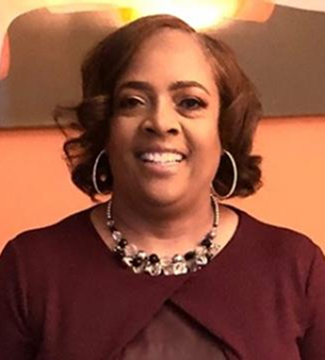
Professor and Associate Dean for Academic Affairs
School of Social Work

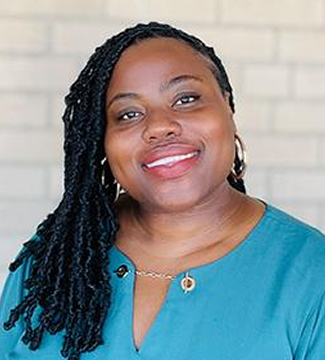
Associate Professor of Practice and Associate Director of Online MSW Practicum Education
School of Social Work

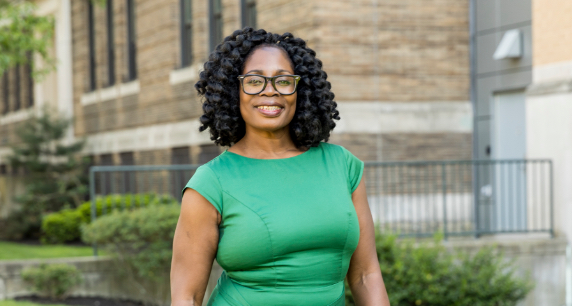
Associate Professor of Practice and Assistant Director of Online MSW Practicum Education
School of Social Work

How to Pursue Licensure

The Online MSW program is accredited by the Council on Social Work Education (CSWE) and the university is accredited by the New England Commission of Higher Education, the United States’ regional association providing accreditation at all levels of postsecondary education. This accreditation meets the educational eligibility requirements for the Association of Social Work Boards (ASWB) exam, but licensure is not granted through the program itself.

Licensure requirements vary by state. Students should consult their state licensing board for specific requirements, including any steps beyond degree completion. In most states, including Massachusetts, graduates of a CSWE-accredited MSW program must pursue social work licensure to practice.

Graduates of the Online MSW program are prepared to pursue clinical social work licensure and roles that may include:

  • diagnosing disorders
  • developing treatment plans
  • providing individual, family, and group therapy
  • advocating for policy change

For more information on state-specific requirements, students should contact their licensing board or visit the MSW Licensure page.

Return to Top

Request Information

Careers in Social Work

Due to its multimodal focus, the Simmons Online MSW prepares students for a variety of careers within the social work profession. As such, career paths and subsequent salary outcomes can differ significantly. The U.S. Bureau of Labor Statistics (BLS) provides the following information as of 2026:

Job TitleTarget work setting2026 est. median salary
Licensed Independent Clinical Social Worker (LICSW)
Private Practice / Community Mental Health Centers
$61,3301
Medical / Health Social Worker
General Medical & Surgical Hospitals
$71,7902
Mental Health & Substance Abuse Social Worker
Outpatient Care & Residential Treatment Facilities
$68,0303
Child, Family, & School Social Worker
K-12 Educational Institutions & State Agencies
$64,0004
Veterans Affairs (VA) Clinical Social Worker
VA Hospitals & Community Outpatient Clinics
$61,3305
Social Work Clinical Director
Non-Profit Organizations & Social Service Agencies
$78,2406

Return to Top

Jump to:

Admission

Curriculum

Faculty

Careers

Student Experience

FAQs

Request Information

The Student Experience

Our Online Campus

The Online MSW program features weekly live online classes with 20 or fewer students, giving you the opportunity to engage directly with classmates and expert faculty in an interactive learning environment. As a student, you receive 24/7 access to course materials, tools, and features through the online platform.

Tools and functionality include:

  • Small-group breakout rooms
  • Video and document sharing
  • Live chats, surveys, and polls
  • Collaborative content annotation
  • Screen-sharing capabilities
  • Full class recordings

Community is core to the Simmons experience. The program offers multiple opportunities outside of the classroom to establish meaningful, lasting connections with peers and faculty:

  • Participate in student life, mentoring, and enrichment opportunities, such as the Student Leadership Council or the First Generation Mentoring Program.
  • Get to know fellow students during your weekly free block, when no classes are scheduled.
  • Take a trip to Boston to celebrate graduation and create lasting memories with your faculty and classmates.

Student Support

A Warm, Inclusive Student Experience

You will receive comprehensive support that begins the moment you request information about the Online MSW program.

During the admission process, you will work with a dedicated enrollment specialist who is available to answer questions about the program and the application process. Upon admission, you are assigned an advisor who can meet with you face-to-face via the online platform throughout the program.

As part of your practicum education, you will work with our practicum placement team to find an appropriate internship site in or near your community.

Hear from a former student

“Before starting the Simmons Online MSW program, I worried that online learning would feel isolating. Instead, I found a supportive community of faculty, classmates, and practicum mentors who genuinely care about student success.

I have built meaningful connections despite never meeting many people in person, and the flexibility of the program has allowed me to balance family, work, and placement while developing strong clinical skills. Most importantly, I can immediately apply what I learn in the classroom to my practicum, which has strengthened my confidence and professional identity as a social worker.”

Snehal R., ’27MSW

The Simmons School of Social Work

Simmons School of Social Work is the first school of clinical social work in the country. Since 1904, we have trained social workers for clinical practice, working to facilitate positive change for individuals, families, groups, and communities.

Our Online Master of Social Work program allows our students and alumnae/i to put theory into action nationwide, addressing the problems affecting contemporary society and driving real change for those most in need.

Ready to Take the Next Step?

Our Online MSW program prepares you to not only pursue licensure as a clinical social worker but also to advocate for social justice as an activist practitioner who provides psychosocial support in your community. Earn your MSW online from Simmons School of Social Work.

FAQs About Simmons University’s Online MSW Programs

  • Think of the MSW (Master of Social Work) as your academic foundation — it’s the degree you earn to gain the high-level skills needed for the profession. The LCSW (Licensed Clinical Social Worker) is the professional “stamp of approval” you earn after graduation.

    To become an LCSW, you typically need an MSW from an accredited school like Simmons, followed by a specific number of supervised clinical hours and passing a state licensing exam.
    In short: the MSW is the education and the LCSW is the legal authority to practice independently.

  • Yes, an MSW is a clinical professional degree, similar to how an MD or JD functions for medicine and law, respectively.

    Because it is a specialized professional track, it qualifies you for higher federal loan limits (like Direct Unsubsidized Loans) and is the standard requirement for entry into clinical practice. At Simmons, our curriculum is specifically designed to meet these professional standards, ensuring you’re eligible for the highest levels of licensure.

  • Yes, both our online and on-campus MSW programs are fully accredited by the Council on Social Work Education (CSWE). Our curriculum is built to align with the most recent 2022 Educational Policy and Accreditation Standards, which is the national gold standard for social work education.

  • An MSW is surprisingly versatile. While many of our graduates go into private practice as therapists or work as clinical social workers in hospitals, the degree also opens doors to leadership.

    You’ll find Simmons alumnae/i working as school counselors, nonprofit directors, health care administrators, and even corporate DEI consultants. Because the degree focuses on human behavior and systems, you aren’t limited to one setting — you can pivot between clinical work, advocacy, and management throughout your career.

  • An MSW unlocks diverse, high-demand careers in clinical therapy, health care, and administration, with the median annual wage for all social workers sitting at $61,330 as of latest data from the U.S. Bureau of Labor Statistics. However, your earning potential increases significantly based on your specialization and industry:

    • Social Workers, All Other: This category, which often includes specialized clinical and administrative roles, has a median wage of $69,480.
    • Health Care Social Workers: Professionals in hospitals and clinics earn a median salary of $68,090.
    • Mental Health and Substance Abuse Social Workers: Those providing direct clinical therapy earn a median salary of $60,060.
    • Child, Family, and School Social Workers: These roles have a median annual wage of $58,570.

    Your choice of industry plays a major role in your total compensation. For example, there is a significant earning gap between those working in child and family services and those in specialized clinical or healthcare-related sectors. Furthermore, those who reach the top 10% of the profession — often by leveraging their MSW to secure advanced licensure (LCSW) or moving into executive leadership — can earn more.

  • Absolutely. We welcome career-changers through our Traditional MSW track. Even if your bachelor’s degree isn’t in social work, we look at your application holistically — valuing your real-world experience, your academic history (a 3.0 GPA is the preferred baseline), and the personal drive shown in your statement.

  • It mostly comes down to your previous education. Our Advanced Standing track is an accelerated, 12-month path designed for those who already hold a BSW from an accredited school.

    If your degree is in a different discipline, the Traditional track takes between 24 and 36 months, providing the extra foundational coursework and the 900–1,200+ experience hours needed to prepare you for clinical practice.

  • No, you don’t need to worry about the GRE for our online MSW. We believe your potential in social work is better reflected through your professional background, your undergraduate performance, and your personal story rather than a standardized test score.

  • If you are enrolled full-time, the program is typically completed in 16 months across four back-to-back semesters. Because we believe in learning by doing, you will be active in practicum placements during every single semester of the program to build your clinical skills from day one.

  • While the core of the program is clinical social work, you can sharpen your focus with three optional certificates: Mental Health Practice, Trauma Practice, or Clinical Practice with Active Service Members, Veterans, and Families. These are specifically designed for students who want to move into advanced direct practice or psychotherapy.

  • Simmons University maintains a consistent academic standard across all learning formats. Both our online and on-campus MSW tracks are built to fulfill the rigorous requirements of our CSWE-accredited clinical curriculum and include the 1,000+ required practicum hours necessary for clinical practice. While the online format is optimized for a flexible, digital environment, both paths prepare students for the professional competencies and licensure required to excel in the profession of social work.

  • If you’re pursuing the full-time or accelerated track, you should view the MSW as a full-time professional commitment. On average, you’ll spend about 24 hours a week at your practicum placement (usually spread across three days), plus another 12 to 16 hours on coursework and live sessions. This brings most students to a 36- to 40-hour weekly schedule. It is a rigorous pace, but whether you choose the fast 16-month path or the extended three-year plan, those 1,000+ hours of agency-based experience are what truly transform you into a skilled clinician.

  • You won’t be navigating this alone. We have a dedicated Placement Team that works specifically with our out-of-state students to secure local practicum sites. They use a massive nationwide database and individualized planning to find a location in your community that ensures you meet your clinical requirements.

  • In many cases, yes. This is called an employment-based placement. To make it work, the school needs to ensure your placement role offers new learning opportunities, which usually means having a different supervisor and different responsibilities than your regular daily job.

  • Definitely. Especially as you move into your advanced year, we encourage you to aim for settings that match your career goals. Simmons partners with over 500 organizations, including major institutions like Boston Children’s Hospital and Beth Israel Deaconess Medical Center, to help you get the specific clinical experiences you want.

  • That is exactly what it is designed for. Our clinical focus ensures you have the foundational training to work directly with individuals, families, and communities, giving you the high-level skills needed to pursue professional licensure as a clinician after you graduate.

  • Yes. Because our program is CSWE-accredited, your degree is recognized across the country. You’ll simply apply for licensure in your specific state via reciprocity or endorsement, which usually involves passing the national ASWB exam and meeting your state’s specific hour requirements.

  • We know that the licensing exam is the final, often stressful, hurdle to starting your career, so we’ve integrated preparation into the fabric of the program.

    Our curriculum is specifically mapped to the competencies you’ll be tested on by the ASWB. Between the live, faculty-led debates and the real-world cases you’ll handle in your practicum placements, you are essentially building your “exam brain” from day one. We aim to ensure that by the time you graduate, you have the foundational knowledge and the confidence needed to clear that final step toward licensure.

  • For the 2026–2027 academic year, the Traditional track is approximately $78,325, while the Advanced Standing track is about $40,970. Tuition is billed at $1,205 per credit hour, with an additional $80 student fee each semester.

  • It is a significant investment, but it’s one that pays off in career longevity and earnings. MSW holders typically earn over $13,000 more per year than those with only a BSW. If you are concerned with maximizing your return on investment, clinical or administrative roles in higher-paying sectors like health care or government may be worth investigating.

  • You can work in a therapeutic role right after graduation, but you cannot officially call yourself a “Licensed Clinical Social Worker” (LCSW) until you’ve finished your state’s supervised hour requirements — usually around 3,000 hours. Most graduates work as associate-level practitioners while they build up to that full license.

Return to Top

  1. Social Workers: Occupational Outlook Handbook. (2025). U.S. Bureau of Labor Statistics. Retrieved May 20, 2026. ↩︎
  2. Occupational Employment and Wage Statistics (OEWS) Profiles. (2026). U.S. Bureau of Labor Statistics. Retrieved May 20, 2026. ↩︎
  3. Occupational Employment and Wage Statistics (OEWS) Profiles. (2026). U.S. Bureau of Labor Statistics. Retrieved May 20, 2026. ↩︎
  4. Occupational Employment and Wage Statistics (OEWS) Profiles. (2026). U.S. Bureau of Labor Statistics. Retrieved May 20, 2026. ↩︎
  5. Social Workers: Occupational Outlook Handbook. (2025). U.S. Bureau of Labor Statistics. Retrieved May 20, 2026. ↩︎
  6. Social and Community Service Managers: Occupational Outlook Handbook. (2026). U.S. Bureau of Labor Statistics. Retrieved May 20, 2026. ↩︎