

To highlight the supportive and collaborative community that awaits prospective SocialWork@Simmons students, we are publishing a series of blog posts that feature many of our student life offerings.
Blog
Explore content produced by Simmons University’s online graduate programs.

Since the inception of the first Nurse Practitioner education program in 1965, men and women in the profession have experienced great success and heated opposition.
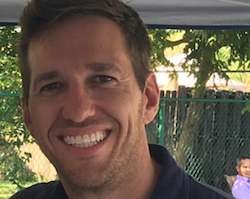
Nursing@Simmons student Michael Toledo is a Miami, Florida, native who started his career as a basic X-ray machine operator at 20 years old. He worked in various health care settings, including urgent care, orthopedics, and family practice, until earning his associate degree in nursing at the age of 32. For the past seven years, he's been an ICU nurse in Wellington, Florida. Learn more about Michael, who is a part of the RN to MSN program's January 2015 cohort, in the Q&A below.

Nursing@Simmons student Holland Reid found her way to the nursing profession when, after working a few odd jobs after high school, she decided to become a Certified Nursing Assistant (CNA). Learn more about Holland, who is a member of the January 2014 cohort, in the following Q&A.
As the number of refugees seeking a new home increases worldwide due to conflicts in countries such as Syria, so too does the need for social workers who understand the unique challenges of this population. Although many support services focus on the physical needs of refugees, social workers and health care practitioners must be better prepared to address the mental health needs of these populations.
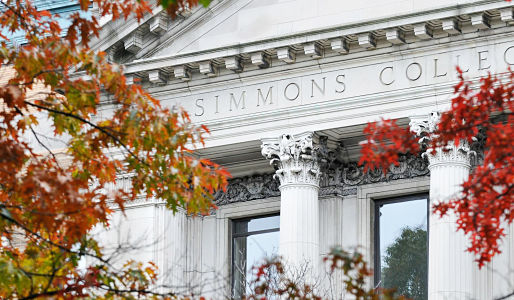
The decision to pursue graduate school is not one to take lightly. Many graduate students, need a support system to help them navigate the challenges that accompany the decision. While many students are able to rely on the expertise and knowledge of families members who preceded them and pursued higher education, students who are the first in their families to go to college — and to pursue graduate education — must rely on others for guidance on how to navigate academia.
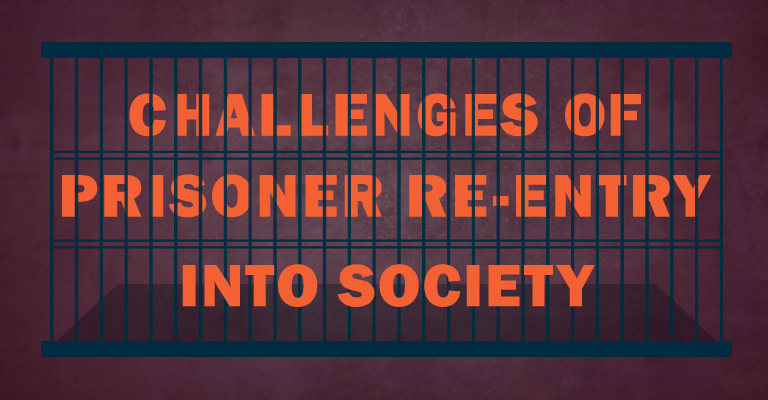
When prisoners in the United States are released, they face an environment that is challenging and actively deters them from becoming productive members of society. Often viewed as sub-citizens, ex-offenders are perpetually punished for crimes. The causes of these restrictions are systemic and affect ex-offenders at all levels of society.