

NECHE accreditation badge

Institutional Accreditation

Simmons University is institutionally accredited by the New England Commission of Higher Education (NECHE).

CCNE  accreditation badge

Programmatic Accreditation

The BSN, MSN, DNP, and post-graduate FNP and PMHNP certificate programs are accredited by the Commission on Collegiate Nursing Education (CCNE).

Mass.gov logo

State Approval

The Simmons University Nursing Program is fully approved by the Massachusetts Board of Registration in Nursing.

Board pass icon

First-Time Certification Success

Simmons graduates consistently outperform or match national averages on first-time nurse practitioner certification exams.1

Simmons Online DNP: Program Overview

Healthcare is evolving rapidly, creating demand for nurses who can lead change, improve patient outcomes, and strengthen health care systems. Simmons University’s online DNP offers two entry pathways designed for nurses at different stages of their careers.

BSN-to-DNP

For registered nurses with a BSN who want to earn a DNP while progressing directly to doctoral education.

As you advance through the program, you’ll earn your MSN in Nursing Leadership, gaining an additional graduate credential while continuing toward your DNP.

MSN-to-DNP

For MSN-prepared nurses who want to build on their existing graduate education through doctoral-level study focused on evidence-based practice, organizational leadership, quality improvement, health care informatics, and population health.

Both pathways offer three tracks to align your education with your career goals:

  • Executive Leadership
  • Family Nurse Practitioner (FNP)
  • Psychiatric Mental Health Nurse Practitioner (PMHNP)

Across both pathways, you’ll learn to:

  • Lead interdisciplinary teams and drive organizational change.
  • Improve patient safety and quality outcomes.
  • Analyze data and translate research into evidence-based practice.
  • Design and evaluate solutions to complex health care challenges.

You’ll also complete a scholarly DNP project developed through a three-term seminar. Your project may take the form of a quality improvement initiative, original research, or program evaluation, demonstrating your ability to apply evidence to real-world health care challenges.

The program culminates in a required two- to four-day on-campus DNP Symposium, where you’ll present your scholarly project to faculty, peers, and health care stakeholders.

Why Choose an Accredited DNP Program?

Simmons University’s Online DNP program is designed to meet rigorous academic and professional standards that support quality nursing education and career advancement.

Accreditation helps ensure that your education meets established standards for academic quality and professional preparation. Graduating from an accredited program may be important for licensure, certification, employment opportunities, and admission to future educational programs. It also provides assurance that the curriculum, faculty, and student support services have undergone a rigorous external review process.

Should You Apply to the BSN-to-DNP or MSN-to-DNP Pathway?

The Online DNP program offers two pathways for registered nurses to earn their DNP, depending on whether they currently have a Bachelor of Science in Nursing (BSN) or a Master of Science in Nursing (MSN).

Both pathways for the Online DNP program integrate evidence-based practice with strong analytical and leadership principles, preparing nurses to lead at the highest level of professional nursing practice. Each pathway requires at least one two- to four-day on-campus experience as part of the curriculum.

PathwayCreditsClinical CoursesOn-Campus ExperiencesTime to CompleteDesigned For
BSN-to-DNP
64–85
5–6
1–2
As few as 32 months full-time or 48 months part-time
Registered nurses who hold a BSN and want to earn a DNP while building advanced leadership or nurse practitioner expertise
MSN-to- DNP
43–67
2–3  
1–2
As few as 28 months full-time or 36 months part-time*
Master’s-prepared nurses seeking to advance their clinical practice, leadership skills, and systems-level impact through doctoral education

Which DNP Track Aligns With Your Career Goals?

Whether you want to advance into executive leadership, provide primary care across the lifespan, or specialize in psychiatric mental health, Simmons offers a DNP track tailored to your interests and future role.

Choose from three tracks designed to prepare nurses for advanced practice, leadership, and systems-level impact across healthcare settings.

What Can I Expect From the Online DNP Executive Leadership Track?

Prepare to lead healthcare teams, improve organizational performance, and drive system-wide change. The Executive Leadership track is designed for Registered Nurses (RNs) seeking leadership, management, and operational roles across healthcare organizations.

BSN-to-DNP candidates in the Executive Leadership track are required to complete:

  • 64 credits total
  • 25 courses (including the on-campus symposium)
  • At least 1,000 post-baccalaureate clinical hours (including 181 DNP project hours)
  • 1 on-campus requirement (symposium)
  • 32 months full-time or 48 months part-time
  • The MSN is conferred upon successful completion of the designated MSN curriculum requirements, before students continue to complete the remaining DNP requirements.
View the BSN-to-DNP course catalog

MSN-to-DNP candidates in the Executive Leadership track are required to complete:

  • 43 credits total
  • 18 courses (including the on-campus symposium)
  • 500 practice hours completed during the program (252 clinical hours and 248 DNP project hours)* 
  • 1 on-campus requirement (symposium)
  • 28 months full-time or 32 months part-time

*Applicants to the MSN-to-DNP Executive Leadership track must have completed at least 500 clinical hours as part of their master’s degree program. Verification of these hours is required for applicants who did not earn their MSN from Simmons University.

Consistent with DNP educational standards, students must complete at least 1,000 post-baccalaureate practice hours. Clinical hours earned during a prior master’s program may be applied toward this requirement.

View the MSN-to-DNP course catalog

  • While the courses are the same for both full-time and part-time tracks, the order in which you will complete them will vary. Courses include:

    • Advanced Pathophysiology, Health Assessment, and Pharmacology
    • Introduction to Nursing Leadership
    • Evidence-Based Practice: Informatics
    • Advanced Research Methods
    • Quality Improvement in Health Care
    • Nursing Leadership and Management
    • Healthcare Economics and Finance
    • Leadership Clinical Course I
    • Leadership Clinical Course II
    • Advanced Leadership Clinical Course III
    • Advanced Nursing Leadership Concepts
    • Health Care Negotiations and Problem Solving
    • Health Care Systems and Health Policy
    • Epidemiology
    • Biostatistics
    • Scholarly Writing
    • Health Policy Clinical Course
    • Social Justice and Ethical Leadership in Global Health Care
    • DNP Project Seminar I
    • DNP Project Seminar II
    • DNP Project Seminar III
    • Simmons Arrive and Thrive
    • Social Justice Clinical Course
    • Choose one of the following:
      • Leadership and Change
      • Learning Theory and Practice
    • DNP Symposium
  • While the courses are the same for both full-time and part-time tracks, the order in which you will complete them will vary. Courses include: 

    • Advanced Research Methods
    • Quality Improvement in Health Care
    • Biostatistics
    • Simmons Arrive and Thrive
    • Epidemiology
    • Health Care Economics and Finance
    • Evidence-Based Practice: Informatics
    • Health Care Negotiations and Problem Solving
    • DNP Project Seminar I
    • DNP Project Seminar II
    • DNP Project Seminar III
    • Scholarly Writing
    • Health Care Systems and Health Policy
    • Social Justice and Ethical Leadership in Global Health Care
    • Health Policy Clinical Course
    • Social Justice Clinical Course
    • Choose one of the following:
      • Health Care Law and Ethics
      • Practice Management
      • Learning Theory and Practice
      • Leadership and Change
    • DNP Symposium

How Does the FNP Track Prepare Me for Board Certification?

The FNP track prepares you with the advanced clinical knowledge and hands-on experience needed to pursue board certification as a family nurse practitioner. Through a combination of primary care training across the lifespan, advanced nursing coursework and doctoral-level leadership preparation, you will develop the competencies required for professional practice. After graduation, you will be eligible to sit for the ANCC or AANP FNP board certification exam to become an FNP-BC™ and to pursue APRN licensure in your state.

BSN-to-DNP candidates in the FNP track are required to complete:

  • 83 credits total
  • 32 courses (including the on-campus symposium)
  • 1,323 clinical hours
  • 2 on-campus experiences (1 immersion, 1 symposium)
  • 32 months full-time or 48 months part-time
  • The MSN is conferred upon successful completion of the designated MSN curriculum requirements, before students continue to complete the remaining DNP requirements.
View the BSN-to-DNP course catalog

MSN-to-DNP candidates in the FNP track are required to complete:

  • 65 credits total
  • 26 courses
  • 756 clinical hours
  • 2 on-campus experiences (1 immersion, 1 symposium)
  • 28 months full-time or 36 months part-time

View the MSN-to-DNP course catalog

  • While the courses are the same for both full-time and part-time tracks, the order in which you will complete them will vary. Courses include: 

    • Advanced Pathophysiology
    • Epidemiology
    • Health Care Systems and Health Policy
    • Health Care Finance and Economics
    • Quality Improvement in Health Care
    • Biostatistics
    • Role of the Advanced Practice Nurse
    • Introduction to Nursing Leadership
    • Nursing Leadership and Management
    • Advanced Research Methods
    • Family Theory: Health & Illness
    • Leadership Clinical Course I
    • Leadership Clinical Course II
    • Advanced Leadership Clinical Course III
    • Evidence-Based Practice: Informatics
    • Advanced Health Assessment Across the Lifespan
    • FNP I: Adult Gerontology in Primary Care I
    • FNP II: Women’s Health in Primary Care
    • FNP III: Pediatrics in Primary Care
    • FNP IV: Adult Gerontology in Primary Care II
    • FNP V: Behavioral Health in Primary Care
    • Advanced Pharmacology
    • Advanced Nursing Leadership Concepts
    • Scholarly Writing
    • Immersion and Clinical Qualification Course
    • FNP Clinical Decision-Making I
    • FNP Clinical Decision-Making II
    • FNP Clinical Decision-Making III
    • DNP Project Seminar I
    • DNP Project Seminar II
    • DNP Project Seminar III
    • DNP Symposium – FNP
  • While the courses are the same for both full-time and part-time tracks, the order in which you will complete them will vary. Courses include: 

    • Advanced Pathophysiology
    • Role of the Advanced Practice Nurse
    • Health Care Systems and Health Policy
    • Advanced Research Methods
    • Advanced Pharmacology
    • Biostatistics
    • Leadership and Change
    • Quality Improvement in Health Care
    • Advanced Health Assessment Across the Lifespan
    • Evidence-Based Practice: Informatics
    • Epidemiology
    • Scholarly Writing
    • Family Theory: Health & Illness
    • DNP Project Seminar I
    • DNP Project Seminar II
    • DNP Project Seminar III
    • FNP I: Adult Gerontology in Primary Care I
    • FNP II: Women’s Health in Primary Care
    • FNP III: Pediatrics in Primary Care
    • FNP IV: Adult Gerontology in Primary Care II
    • FNP V: Behavioral Health in Primary Care
    • FNP Clinical Decision-Making I
    • FNP Clinical Decision-Making II
    • FNP Clinical Decision-Making III
    • Immersion and Clinical Qualification Course
    • DNP Symposium – FNP

What Are the Requirements for the Online PMHNP Doctoral Track?

The PMHNP track prepares registered nurses to provide comprehensive mental healthcare across the lifespan. Through advanced clinical training and doctoral-level coursework, students learn to assess, diagnose and manage mental health conditions in a variety of care settings. Upon graduation, you will be eligible to pursue board certification as a PMHNP and APRN licensure in your state.

BSN-to-DNP candidates in the PMHNP track are required to complete:

  • 85 credits total
  • 32 courses
  • 1,323 clinical hours
  • 2 on-campus experiences (1 immersion, 1 symposium)
  • 32 months full-time or 48 months part-time
  • The MSN is conferred upon successful completion of the designated MSN curriculum requirements, before students continue to complete the remaining DNP requirements.

View the BSN-to-DNP course catalog

MSN-to-DNP candidates in the PMHNP track are required to complete:

  • 67 credits total
  • 26 courses
  • 756 clinical hours
  • 2 on-campus experiences (1 immersion, 1 symposium)
  • 28 months full-time or 36 months part-time

View the MSN-to-DNP course catalog

  • While the courses are the same for both full-time and part-time tracks, the order in which you will complete them will vary. Courses include: 

    • Advanced Pathophysiology
    • Epidemiology
    • Health Care Systems and Health Policy
    • Health Care Economics and Finance
    • Quality Improvement in Health Care
    • Biostatistics
    • Role of the Advanced Practice Nurse
    • Introduction to Nursing Leadership
    • Nursing Leadership and Management
    • Advanced Research Methods
    • Leadership Clinical Course I
    • Leadership Clinical Course II
    • Advanced Leadership Clinical Course III
    • Evidence-Based Practice: Informatics
    • Advanced Health Assessment Across the Lifespan
    • Clinical Psychopharmacology Across the Lifespan
    • Advanced Pharmacology
    • Neurobiology & Differential Diagnosis of Mental Disorders
    • Advanced Nursing Leadership Concepts
    • PMHNP I: Psychotherapy Across the Lifespan
    • PMHNP II: Diagnosis and Management
    • PMHNP III: Diagnosis and Management
    • PMHNP IV: SMI & Addictions Medicine
    • Scholarly Writing
    • Immersion and Clinical Qualification Course
    • PMHNP Clinical Decision-Making I
    • PMHNP Clinical Decision-Making II
    • PMHNP Clinical Decision-Making III
    • DNP Project Seminar I
    • DNP Project Seminar II
    • DNP Project Seminar III
    • DNP Symposium – PMHNP
  • While the courses are the same for both full-time and part-time tracks, the order in which you will complete them will vary. Courses include:

    • Advanced Pathophysiology
    • Role of the Advanced Practice Nurse
    • Health Care Systems and Health Policy
    • Advanced Research Methods
    • Advanced Pharmacology
    • Biostatistics
    • Leadership and Change
    • Quality Improvement in Health Care
    • Advanced Health Assessment Across the Life Span
    • Evidence-Based Practice: Informatics
    • Epidemiology
    • Scholarly Writing
    • Clinical Psychopharmacology Across the Lifespan
    • Neurobiology & Differential Diagnosis of Mental Disorders
    • DNP Project Seminar I
    • DNP Project Seminar II
    • DNP Project Seminar III
    • PMHNP I: Psychotherapy Across the Lifespan
    • PMHNP II: Diagnosis and Management
    • PMHNP III: Diagnosis and Management
    • PMHNP IV: SMI & Addictions Medicine
    • PMHNP Clinical Decision-Making I
    • PMHNP Clinical Decision-Making II
    • PMHNP Clinical Decision-Making III
    • Immersion and Clinical Qualification Course
    • DNP Symposium – PMHNP

What Can You Do With a DNP Degree?

A DNP is the terminal practice degree in nursing. DNP-prepared nurses use evidence-based practice, leadership, quality improvement, and health policy expertise to improve patient care, influence health systems, and drive organizational change.

Depending on your credentials and professional goals, you may pursue opportunities in advanced practice nursing, executive leadership, clinical operations, health policy, quality improvement, and health informatics.

Demand for doctoral-prepared nursing professionals continues to grow. Board-certified nurse practitioners — a common career path for graduates of the FNP and PMHNP tracks — earned a median annual salary of $134,920 according to the U.S. Bureau of Labor Statistics.2 Employment for nurse practitioners is projected to grow 36% from 2025 to 2035, significantly faster than the average for all occupations.3

Career PathTypical Work Setting
Chief Nursing Officer
Health systems, hospitals, and integrated care networks
Director of Nursing
Hospitals, health systems, and long-term care organizations
Family Nurse Practitioner
Primary care clinics, community health centers, and physician practices
Psychiatric Mental Health Nurse Practitioner
Behavioral health clinics, hospitals, private practices, and telehealth organizations
Director of Clinical Operations
Managed care organizations, outpatient networks, and health systems
Health Policy Consultant
Government agencies, advocacy organizations, and think tanks
Clinical Informatics Leader
Health technology companies, hospitals, and health systems
Quality Improvement Leader
Hospitals, health systems, and public health organizations

What Is the Tuition Cost for the Online DNP Program?

Simmons University offers a variety of financial support options to help make earning your DNP more accessible, including scholarships, federal financial aid for eligible students, employer tuition assistance, and payment plans.

Tuition Information2026–2027 Academic Year
Tuition
$1,288 per credit
Student Fee
$185 per term
Scholarships
Available for qualified applicants
Financial Aid
Available for eligible students
Payment Plans
Available for all enrolled students  

Total program cost varies based on your chosen pathway and track. Visit the Tuition and Financial Aid page for detailed cost information, scholarship opportunities, and funding resources.

Funding Your DNP Education

Scholarships are available for qualified applicants admitted to the upcoming cohort.

The final deadline for the May 2027 cohort is March 23, 2027.

Evidence-Based Practice: Informatics

Explore how healthcare organizations use data, technology, and information systems to support clinical decision-making and improve patient outcomes.

Quality Improvement in Health Care

Learn strategies for evaluating healthcare systems, identifying opportunities for improvement, and implementing evidence-based changes that support quality and safety.

Social Justice and Ethical Leadership in Global Health Care

Examine health equity, ethical leadership, and the social factors that influence health outcomes across diverse populations and communities.

Learn From Nursing Leaders and Practitioners

At Simmons University, you’ll learn from experienced nurse educators and practitioners who bring expertise from clinical practice, leadership, research, and healthcare innovation into the online classroom.

Through live online classes, collaborative learning experiences, and faculty mentorship, Simmons students learn from nursing professionals who understand the challenges and opportunities facing today’s healthcare environment.

Meet Our Faculty

Professor Heather Shlosser headshot

Heather Shlosser

PhD, DNP, FNP-BC, PMHNP-BC

Director of Nursing Programs

View Profile

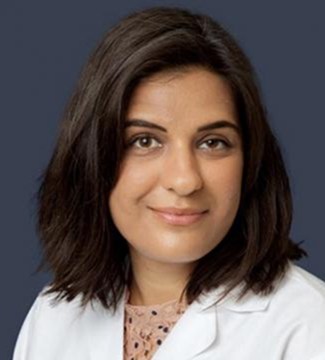
Professor Naila Russell headshot

Naila Russell

DNP, APRN, FNP-C

Family Nurse Practitioner

View Profile

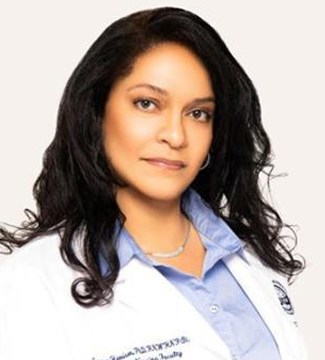
Professor Carmen Harrison headshot

Carmen Harrison

DNP, WHNP-BC

Women’s Health Nurse Practitioner

View Profile

Explore the Nursing Faculty Directory to learn more about additional faculty, their credentials, research interests, and areas of expertise.

Student and Alumni Success

The Online DNP program is designed for working nurses who want to expand their impact while balancing professional and personal responsibilities. Through flexible online learning, clinical experiences, and faculty support, students develop the skills needed to advance their careers and lead change across healthcare settings.

DNP Alumnae/i Impact

Simmons DNP graduates are prepared to lead quality improvement initiatives, influence healthcare policy, advance nursing education, and improve patient outcomes across a variety of clinical and organizational settings. Through doctoral-level preparation, graduates develop the leadership, analytical, and practice expertise needed to drive meaningful change throughout healthcare systems.

The Online DNP Experience

For more than a century, Simmons University has prepared nurses to lead and improve healthcare delivery. Through the Simmons University Online Nursing Program, you can earn your DNP online while engaging with faculty and peers in a collaborative learning environment.

As a Simmons University online nursing student, you will:

  • Attend live online classes with faculty and classmates from across the country
  • Choose a full-time or part-time pathway that fits your schedule
  • Access coursework online from wherever you learn best
  • Learn in small classes designed to encourage discussion and collaboration
  • Build professional connections during required on-campus immersion experiences

Looking for a different nursing pathway? Explore Simmons’ nursing degree and certificate programs.

Interested in a Post-Graduate Certificate Instead?

Current Registered Nurses (RNs) who already hold an MSN or DNP may choose a post-graduate certificate to pursue board certification in a new specialty area.

CertificateCreditsClinical HoursTime to Complete
Family Nurse Practitioner (FNP)
23 credits
756 hours
As few as 16 months
Psychiatric Mental Health Nurse Practitioner (PMHNP)
27 credits
756 hours
As few as 16–24 months

Students receive clinical placement support and complete coursework designed to prepare them for certification in their chosen specialty.

Eligibility: Applicants must be licensed RNs who hold a graduate nursing degree (MSN or DNP).

Learn more about the FNP and PMHNP post-graduate certificate options.

Frequently Asked Questions

  • A DNP degree prepares Registered Nurses (RNs) to reach the highest level of professional nursing practice. DNP-educated nurses have the advanced skills needed to assume leadership in a variety of health settings, to improve patient outcomes, and to enhance healthcare delivery systems.

  • No. A Nurse Practitioner (NP) is an advanced practice licensing credential held by professionals with graduate-level training. A DNP — or a Doctor of Nursing — is a terminal academic degree awarded to a professional who has completed the highest level of training in nursing practice.

  • A Doctor of Nursing Practice (DNP) is a practice-focused doctoral degree that prepares nurses to improve patient outcomes, lead healthcare organizations, implement evidence-based practice, and influence health policy. A PhD in Nursing is a research-focused doctoral degree designed for nurses who want to generate new knowledge through scientific research and scholarship.

  • Many students continue working while enrolled in the DNP program. Simmons offers full-time and part-time pathways designed to help working nurses balance their education with professional and personal commitments. Individual schedules and time requirements will vary based on your chosen track and course load.

  • Yes. Students in the FNP and PMHNP tracks work with a clinical placement specialist to identify clinical sites and preceptors in or near their communities. Clinical placements must meet program requirements and receive approval from Simmons University.

    Students in the Executive Leadership track also complete required practice hours. While these experiences differ from NP clinical placements, Simmons provides guidance to help students identify appropriate practice settings that meet program requirements.

  • No. A DNP degree does not grant authority to write prescriptions. To write prescriptions in any of the 50 states, nurse practitioners (NPs) — some of whom hold an MSN while others hold a DNP — must be board-certified. (Note that in certain states, NPs must be supervised by a physician to write prescriptions.)

  • Yes, graduates holding a Doctor of Nursing Practice (DNP) may use the academic title “Doctor.” However, professional regulations vary by state; certain jurisdictions enforce strict medical disclosure legislation specifying how and when a clinical nursing professional may introduce themselves as a doctor to patients in a clinical environment.

  • At Simmons University, your path to a DNP depends on your current nursing education.

    If you have a BSN, you can apply to the BSN-to-DNP pathway, where you’ll earn an MSN in Nursing Leadership before progressing to doctoral coursework. If you already hold an MSN, you can apply directly to the MSN-to-DNP pathway.

    Both pathways combine online coursework with required clinical or practice experiences, a scholarly DNP project and an on-campus DNP Symposium. Depending on your pathway and whether you study full or part time, program length varies.

  • Clinical and practice experience requirements vary by pathway and track.

    BSN-to-DNP

    • Executive Leadership: At least 1,000 post-baccalaureate practice hours, including 181 DNP project hours
    • Family Nurse Practitioner (FNP): 1,323 clinical hours
    • Psychiatric Mental Health Nurse Practitioner (PMHNP): 1,323 clinical hours

    MSN-to-DNP

    • Executive Leadership: 500 practice hours completed during the program (252 clinical hours and 248 DNP project hours)
    • Family Nurse Practitioner (FNP): 756 clinical hours
    • Psychiatric Mental Health Nurse Practitioner (PMHNP): 756 clinical hours

    Clinical and practice experiences are integrated throughout the curriculum. FNP and PMHNP students complete supervised clinical experiences that prepare them for advanced practice nursing and board certification, while Executive Leadership students complete practice experiences focused on systems leadership, quality improvement and organisational change.

  • Yes. The DNP program includes required on-campus experiences. Depending on your pathway and track, you will participate in one or more on-campus immersions and a two- to four-day DNP symposium where you present your scholarly project.

  • The number of required on-campus experiences varies by pathway and track. Students complete one or more on-campus immersions as part of the curriculum, culminating in a required DNP symposium on the Simmons University campus.

  • Yes. The Bachelor of Science in Nursing (BSN), Master of Science in Nursing (MSN), Doctor of Nursing Practice (DNP), and post-graduate FNP and PMHNP certificate programs at Simmons University are accredited by the Commission on Collegiate Nursing Education (CCNE). The Simmons University Nursing Program is also fully approved by the Massachusetts Board of Registration in Nursing.

  • Transfer credit eligibility and pathway requirements vary based on your academic background and chosen track. Enrollment specialists can help you determine the appropriate pathway and explain any applicable transfer credit policies.

  • Certification opportunities depend on your chosen track.

    • Graduates of the Family Nurse Practitioner (FNP) track may be eligible to sit for the ANCC or AANP Family Nurse Practitioner certification examination.
    • Graduates of the Psychiatric Mental Health Nurse Practitioner (PMHNP) track may be eligible to sit for the ANCC Psychiatric-Mental Health Nurse Practitioner certification examination.
    • The Executive Leadership track prepares nurses for advanced leadership roles but does not lead to nurse practitioner certification.

Explore More About the DNP Program

 Admission | Tuition & Fees | Which Degree Is Right for Me? | FAQs

  1. Accreditation and Licensure. (2026). Simmons University School of Nursing. Retrieved July, 2026. ↩︎
  2. Nurse Anesthetists, Nurse Midwives, and Nurse Practitioners. (2025). U.S. Bureau of Labor Statistics. Retrieved October, 2026. ↩︎
  3. Nurse Anesthetists, Nurse Midwives, and Nurse Practitioners. (2025). U.S. Bureau of Labor Statistics. Retrieved October, 2026. ↩︎